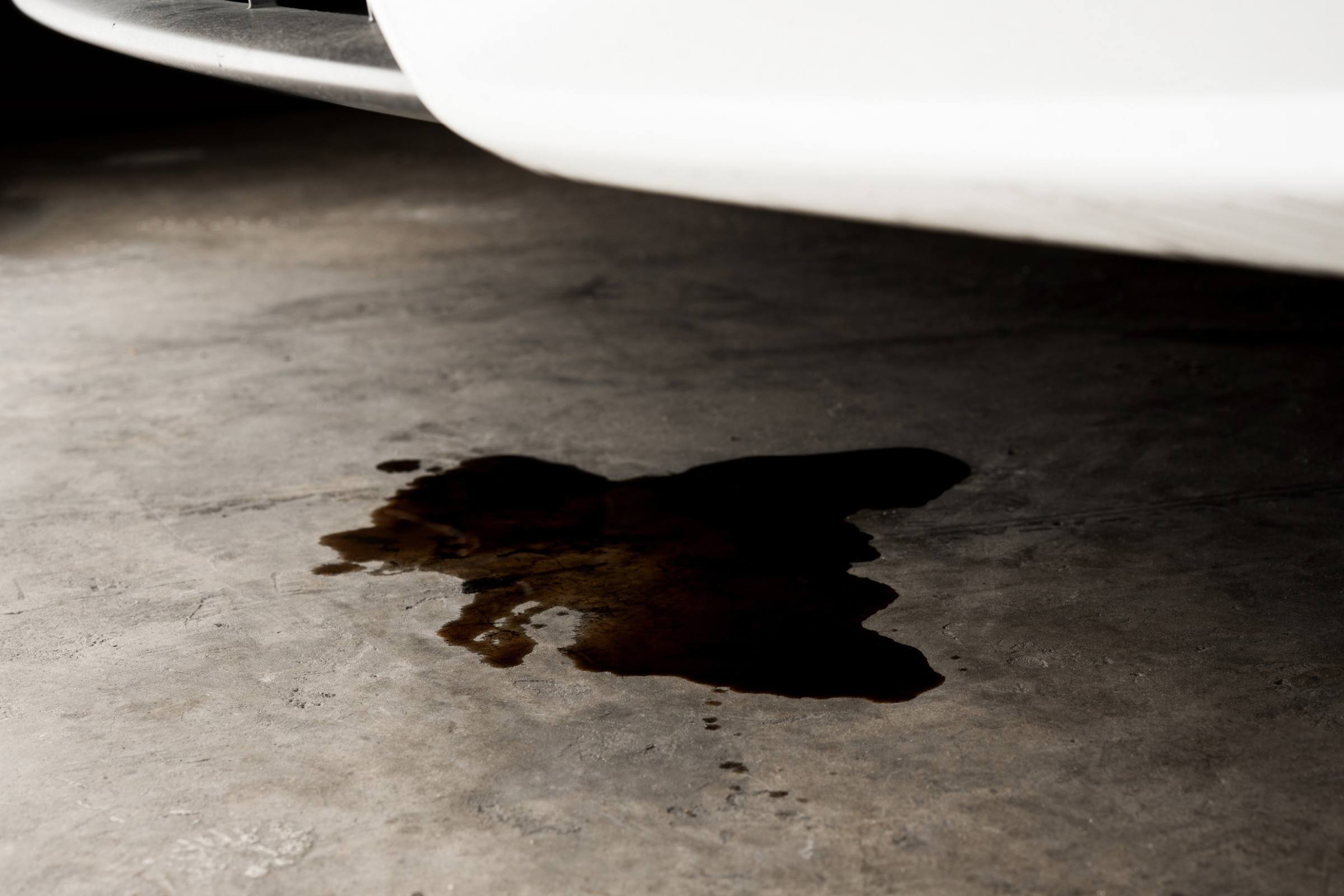
You walk out to your parked car and notice a puddle underneath it. Is it…
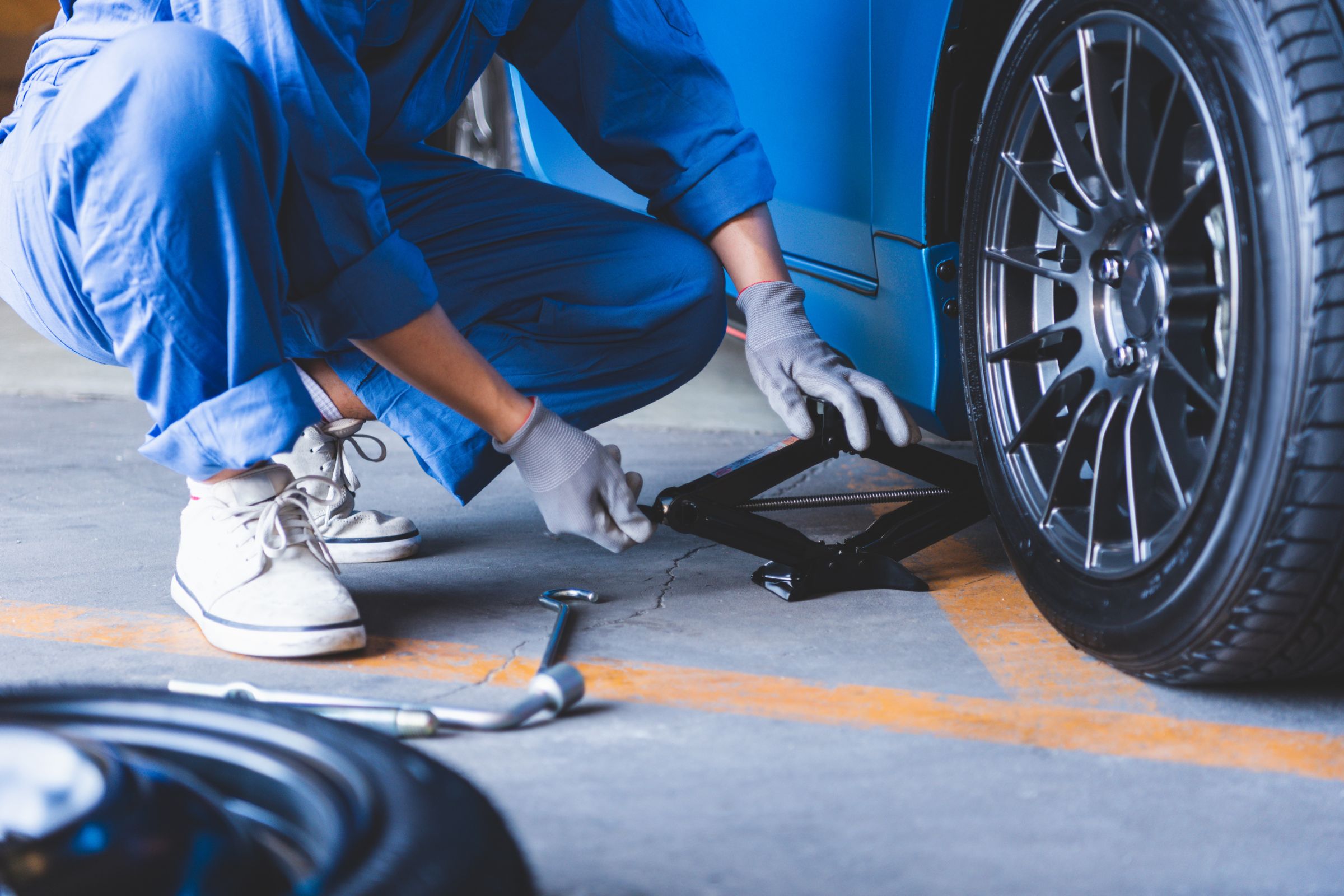
How Long Do Car Parts Last? A Complete NJ Driver’s Guide
Understanding how long your car parts last is one of the best ways to avoid unexpected breakdowns and costly repairs. For drivers in New Jersey, where stop-and-go traffic, seasonal weather, and road conditions all play a role, staying ahead of maintenance is critical for your safety and convenience.
In this guide, we break down the average lifespan of key vehicle components and when you should consider service or replacement.
Why Car Part Lifespan Matters
Every part of your vehicle has a limited lifespan. Ignoring wear and tear can lead to:
- Reduced performance
- Safety risks
- Higher repair costs over time.
Staying proactive with car maintenance in New Jersey helps extend the life of your vehicle and ensures reliability year-round.
If you’re unsure about your vehicle’s condition, scheduling a professional vehicle inspection can help identify issues early.
How Long Do Common Car Parts Last?
Brakes: 25,000 to 70,000 Miles
One of the most searched questions is: how long do brakes last?
Brake lifespan depends on driving habits and conditions. Frequent braking in traffic-heavy areas like New Jersey can wear them out faster.
Signs you need brake service:
- Squeaking or grinding
- Vibration when braking
- Longer stopping distances
If you notice these, it’s time for a brake inspection and repair.
Car Battery: 3 to 5 Years
Your battery is essential for starting your vehicle and powering electronics.
Factors that affect lifespan:
- Extreme temperatures
- Short driving trips
- Electrical load
If your car struggles to start, consider a battery test and replacement.
Tires: 25,000 to 60,000 Miles
Tire life varies based on driving style, road conditions, and maintenance.
Extend tire life by:
- Rotating tires regularly
- Maintaining proper pressure
- Scheduling alignments
Uneven wear may indicate the need for wheel alignment or tire service.
Oil and Oil Filter: 3,000 to 7,500 Miles
Regular oil changes are one of the most important aspects of vehicle longevity.
Dirty oil can lead to:
- Engine wear
- Reduced efficiency
- Overheating
Stay consistent with routine oil change services to protect your engine.
Spark Plugs: 30,000 to 100,000 Miles
Spark plugs ignite fuel in your engine.
Signs of worn spark plugs:
- Poor fuel economy
- Engine misfires
- Rough idling
Replacing them as part of scheduled maintenance improves performance.
Timing Belt: 60,000 to 100,000 Miles
Failure of a timing belt can cause severe engine damage.
It’s critical to:
- Replace it before failure
- Follow manufacturer recommendations
Transmission: 150,000+ Miles With Maintenance
With proper care, transmissions can last a long time.
Maintenance includes:
- Fluid changes
- Inspections
- Early issue detection
If you notice slipping or delayed shifting, schedule a diagnostic service.
What Impacts Car Part Lifespan in New Jersey?
Driving conditions in NJ can shorten the lifespan of vehicle components:
- Heavy traffic and frequent stops
- Potholes and rough roads
- Seasonal temperature changes
- Road salt and moisture
This makes regular car repair in New Jersey and preventative maintenance even more important.
How to Extend the Life of Your Car Parts
Follow these best practices:
- Stay on top of routine maintenance
- Address small issues early
- Schedule regular inspections
- Use quality replacement parts
Being proactive helps avoid major breakdowns and keeps your vehicle running efficiently.
Staying Ahead
Knowing the lifespan of your car parts gives you a major advantage as a driver. Instead of reacting to problems, you can prevent them entirely with proper care and timely service.
Whether it’s brakes, batteries, or diagnostics, staying ahead of maintenance is the key to long-term vehicle health.
Contact Us | Proactive Car Repair
Not sure how long your car parts have left? Let our team take a look.
Schedule a service with Frank’s Auto Repair today and get expert guidance on your vehicle’s condition.
Contact us here to book your appointment
FAQ: Car Part Lifespan
How long do brakes last on average?
Most brake pads last between 25,000 and 70,000 miles, depending on driving conditions and habits.
How often should I replace my car battery?
Typically every 3 to 5 years, but extreme temperatures and long trips can shorten lifespan.
How do I know if my tires need replacing?
Look for low tread depth, uneven wear, or reduced traction, especially in wet conditions.
What happens if I delay replacing worn parts?
Delaying repairs can lead to more expensive damage and safety risks.
How often should I get my car inspected?
At least once a year, or before long trips and seasonal changes.
What car parts wear out the fastest?
Brakes, tires, oil, and batteries typically wear out faster than other components.
Can regular maintenance really extend car life?
Yes. Consistent maintenance significantly increases lifespan and prevents major repairs.
Related Posts