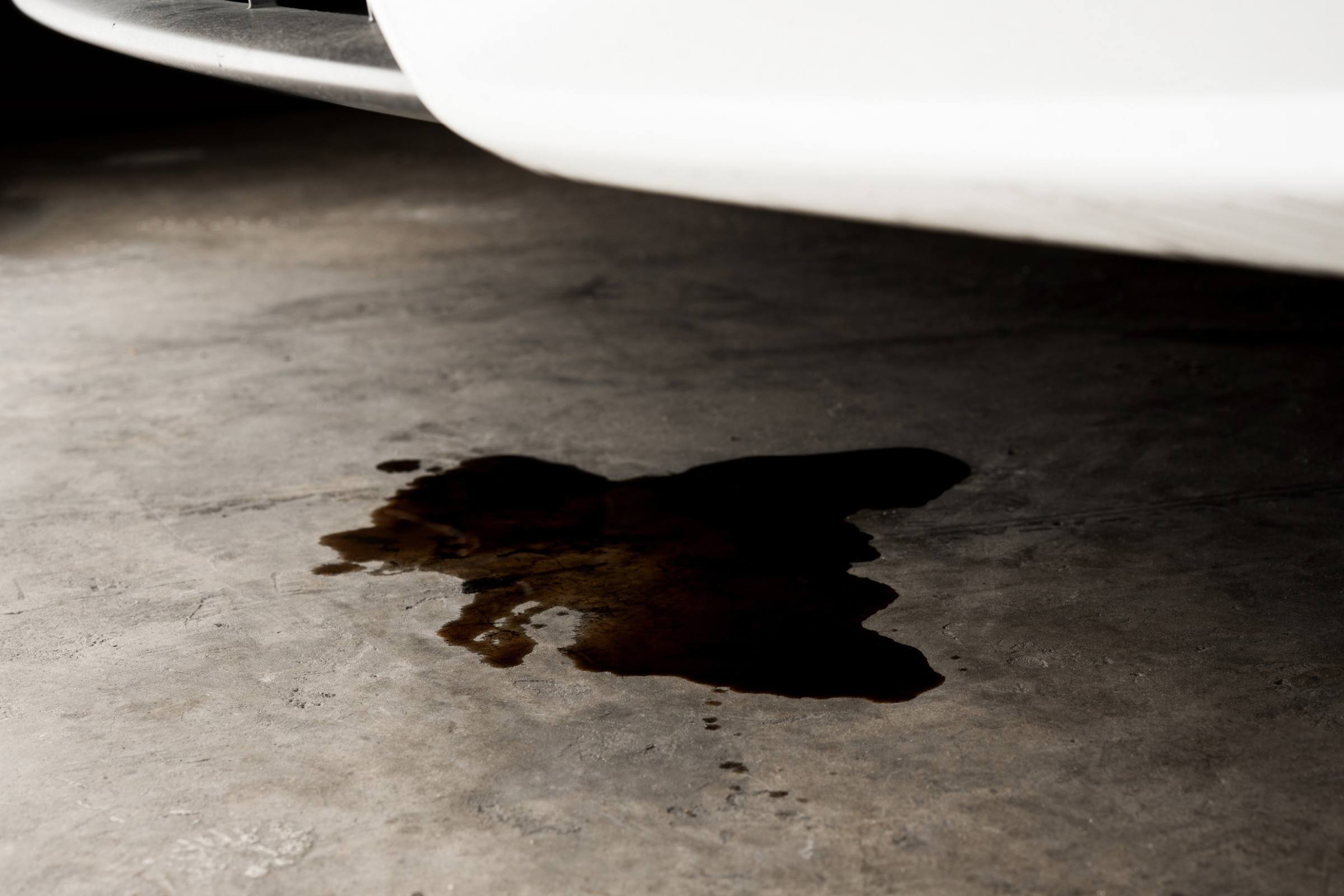
You walk out to your parked car and notice a puddle underneath it. Is it…
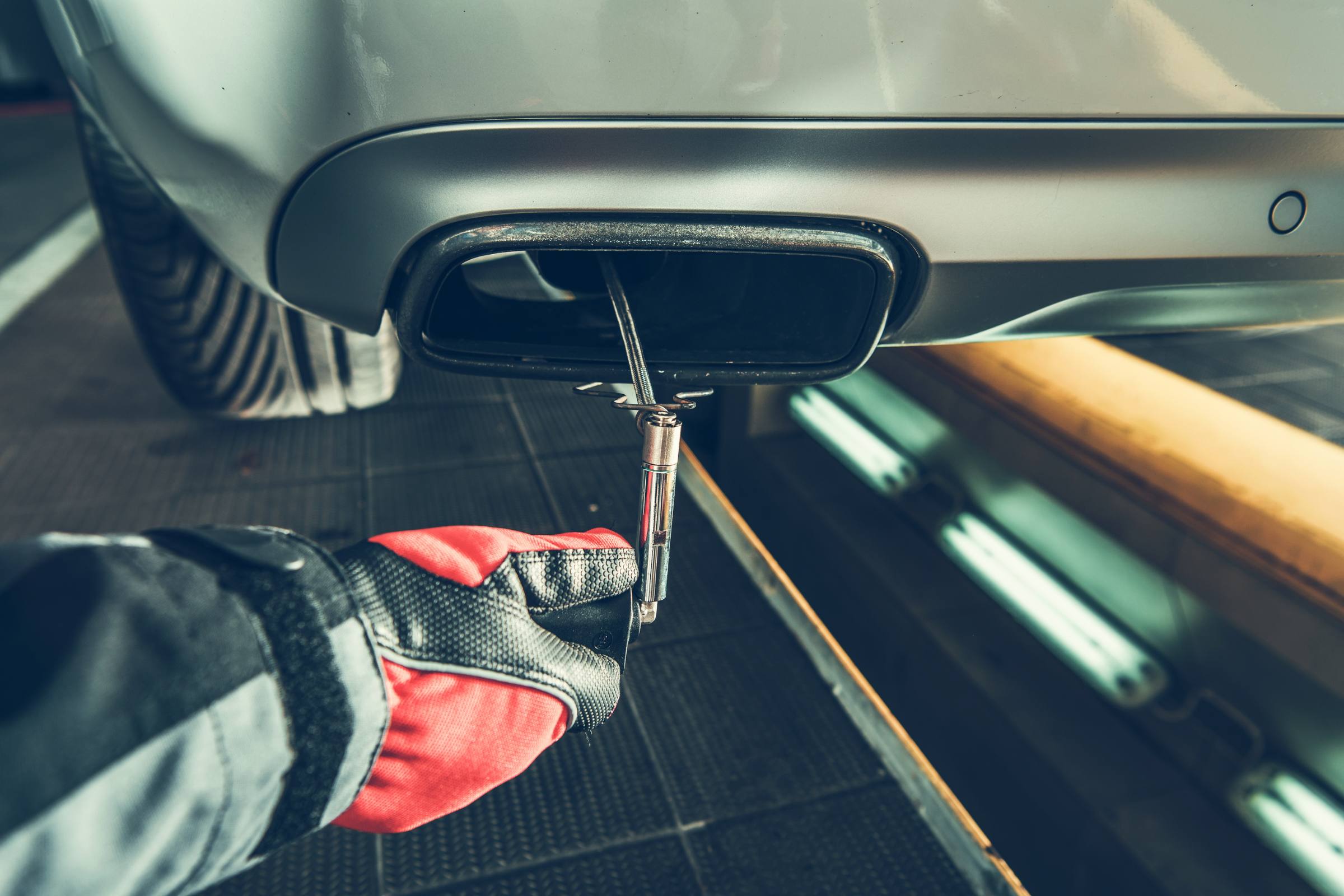
Emissions Repair in New Jersey: Why Vehicles Fail Emissions Testing and How to Get Back on the Road
Vehicle emissions systems play an important role in keeping your engine running efficiently while reducing harmful pollutants released into the atmosphere. If your vehicle fails an emissions test or your check engine light suddenly appears, it’s often a sign that one or more components within the emissions system require attention.
For many New Jersey drivers, a failed emissions inspection can feel overwhelming. Fortunately, most emissions-related problems can be diagnosed and repaired quickly by experienced technicians using professional diagnostic equipment.
At Frank’s Auto Repair, we help drivers throughout Fanwood and the surrounding communities identify emissions issues accurately and perform reliable repairs that restore vehicle performance while helping meet New Jersey inspection requirements.
If your vehicle recently failed an inspection or you’re trying to prevent future problems, understanding how your emissions system works can save time, money, and unnecessary frustration.
Understanding New Jersey Emissions Testing
New Jersey requires emissions inspections for most gasoline-powered vehicles as part of its vehicle inspection program. These inspections help identify excessive exhaust emissions caused by malfunctioning engine or emissions components.
Modern vehicles continuously monitor their own emissions systems through onboard computers. When the system detects a fault, it often stores a diagnostic trouble code and illuminates the check engine light.
Contrary to what many drivers believe, the check engine light doesn’t always indicate a serious engine failure. In many cases, it points to an emissions-related component that should be diagnosed before the problem becomes more expensive.
Common emissions-related systems include:
- Oxygen sensors
- Catalytic converters
- EVAP systems
- Mass airflow sensors
- Fuel injection systems
- Spark plugs and ignition components
- PCV systems
Professional diagnostic services allow technicians to identify the actual cause instead of simply replacing parts based on guesswork.
Common Reasons Vehicles Fail Emissions Tests
While every vehicle is different, several issues consistently cause vehicles to fail emissions inspections in New Jersey.
Oxygen Sensor Failure
Oxygen sensors monitor the amount of oxygen remaining in the exhaust after combustion. This information allows your vehicle’s computer to adjust the air-fuel mixture for optimal performance.
Over time, oxygen sensors naturally wear out.
Symptoms may include:
- Reduced fuel economy
- Rough idle
- Check engine light
- Failed emissions inspection
Replacing a faulty oxygen sensor is often one of the simplest emissions repairs and can restore proper engine operation.
Catalytic Converter Problems
The catalytic converter helps reduce harmful gases before they exit the exhaust system.
A damaged or clogged catalytic converter can lead to:
- Failed emissions testing
- Sulfur or rotten egg odors
- Reduced engine power
- Poor acceleration
- Increased fuel consumption
Ignoring catalytic converter issues may eventually lead to more costly repairs if the underlying cause isn’t addressed.
EVAP System Leaks
The Evaporative Emission Control (EVAP) system prevents gasoline vapors from escaping into the atmosphere.
Common causes include:
- Loose gas cap
- Cracked hoses
- Failed purge valve
- Damaged charcoal canister
Even a small EVAP leak can trigger the check engine light and cause an emissions inspection failure.
Worn Spark Plugs and Ignition Components
Incomplete combustion increases exhaust emissions.
Old spark plugs, ignition coils, or ignition wires may cause:
- Engine misfires
- Rough idle
- Reduced power
- Higher emissions
- Poor fuel economy
Routine maintenance significantly reduces the risk of these issues.
Fuel System Problems
Dirty fuel injectors or fuel delivery problems may prevent the engine from burning fuel efficiently.
This can result in:
- Increased emissions
- Poor acceleration
- Hard starting
- Engine hesitation
Professional diagnostics can determine whether cleaning or component replacement is necessary.
Warning Signs You May Need Emissions Repair
Many drivers don’t realize they’re experiencing emissions problems until they fail an inspection.
Common warning signs include:
- Check engine light
- Poor gas mileage
- Rough idle
- Engine hesitation
- Strong exhaust odors
- Black exhaust smoke
- Failed vehicle inspection
- Reduced engine performance
If you notice any of these symptoms, scheduling professional diagnostics early may prevent larger repair bills later.
Why Accurate Diagnostics Matter
Replacing random parts rarely solves emissions problems.
Today’s vehicles contain dozens of sensors and electronic control systems that work together to maintain proper engine performance.
Professional technicians use advanced scan tools to:
- Read manufacturer-specific diagnostic codes
- Analyze live engine data
- Perform system tests
- Verify repairs before replacing components
Instead of guessing, experienced technicians identify the root cause.
Our vehicle diagnostics help pinpoint emissions problems quickly, allowing repairs to be completed correctly the first time whenever possible.
Common Emissions Repairs
Every repair depends on the vehicle and diagnostic results, but common emissions services include:
Oxygen Sensor Replacement
Faulty oxygen sensors are among the most common emissions repairs and often restore proper fuel mixture control.
Catalytic Converter Replacement
When internal damage occurs, catalytic converters may require replacement after diagnosing the underlying issue that caused the failure.
EVAP System Repair
Technicians may repair leaking hoses, replace purge valves, repair vapor leaks, or install a new gas cap depending on the source of the problem.
Spark Plug Replacement
Replacing worn ignition components improves combustion efficiency while reducing emissions.
Fuel Injector Cleaning
Professional fuel injector cleaning restores proper spray patterns that help improve fuel efficiency and engine performance.
Can You Drive After Failing an Emissions Test?
In many situations, yes.
However, continuing to drive with an active emissions problem may cause:
- Additional engine damage
- Reduced fuel economy
- Catalytic converter failure
- More expensive repairs
Addressing the issue promptly is almost always the more cost-effective decision.
Preventative Maintenance Helps Prevent Emissions Problems
Many emissions failures develop slowly over time.
Routine maintenance helps prevent excessive wear on engine and emissions components.
Recommended maintenance includes:
- Oil changes
- Air filter replacement
- Spark plug replacement
- Fuel system cleaning
- Cooling system maintenance
- Regular inspections
Keeping up with scheduled maintenance not only helps reduce emissions but also improves reliability, fuel economy, and overall vehicle longevity.
Learn more about the importance of preventative maintenance through our automotive repair services available.
Why Drivers Trust Frank’s Auto Repair
Drivers throughout Fanwood and surrounding New Jersey communities trust Frank’s Auto Repair because we focus on accurate diagnostics, honest recommendations, and quality workmanship.
Rather than replacing unnecessary parts, our technicians thoroughly inspect your vehicle, explain their findings, and recommend repairs based on your vehicle’s specific needs.
If your check engine light is on, or you’ve recently failed an emissions inspection, or your vehicle simply isn’t performing like it should, we’ve seen it all. Our experienced team is here to help.
Schedule Your Emissions Repair Today
A failed emissions inspection doesn’t have to become a major inconvenience.
If your vehicle needs emissions repair, diagnostic testing, or check engine light service, Frank’s Auto Repair is ready to help.
Contact our team today to schedule an appointment and let our experienced technicians accurately diagnose your vehicle and recommend the right repair solutions.
Call (908) 444-0806 or visit our Contact Page to schedule your appointment.
Frequently Asked Questions
Why did my vehicle fail its emissions test?
Vehicles commonly fail emissions tests because of faulty oxygen sensors, catalytic converter problems, EVAP system leaks, ignition issues, or other components that affect exhaust emissions.
Can a check engine light cause me to fail an emissions inspection?
Yes. In many cases, an illuminated check engine light will result in a failed emissions inspection because it indicates the vehicle has detected an emissions-related fault.
How much does emissions repair cost?
The cost varies depending on the cause of the problem. Some repairs, such as replacing a gas cap or oxygen sensor, are relatively inexpensive, while catalytic converter repairs are typically more involved. Professional diagnostics determine the exact issue before repairs begin.
How can I reduce the chances of failing my next emissions inspection?
Routine maintenance, prompt repairs when warning lights appear, and regular vehicle inspections can significantly reduce the likelihood of failing an emissions test.
How often should I have my emissions system inspected?
While New Jersey inspections occur on a scheduled basis, it’s a good idea to have your vehicle inspected whenever the check engine light comes on, fuel economy decreases, or engine performance changes unexpectedly.
Related Posts